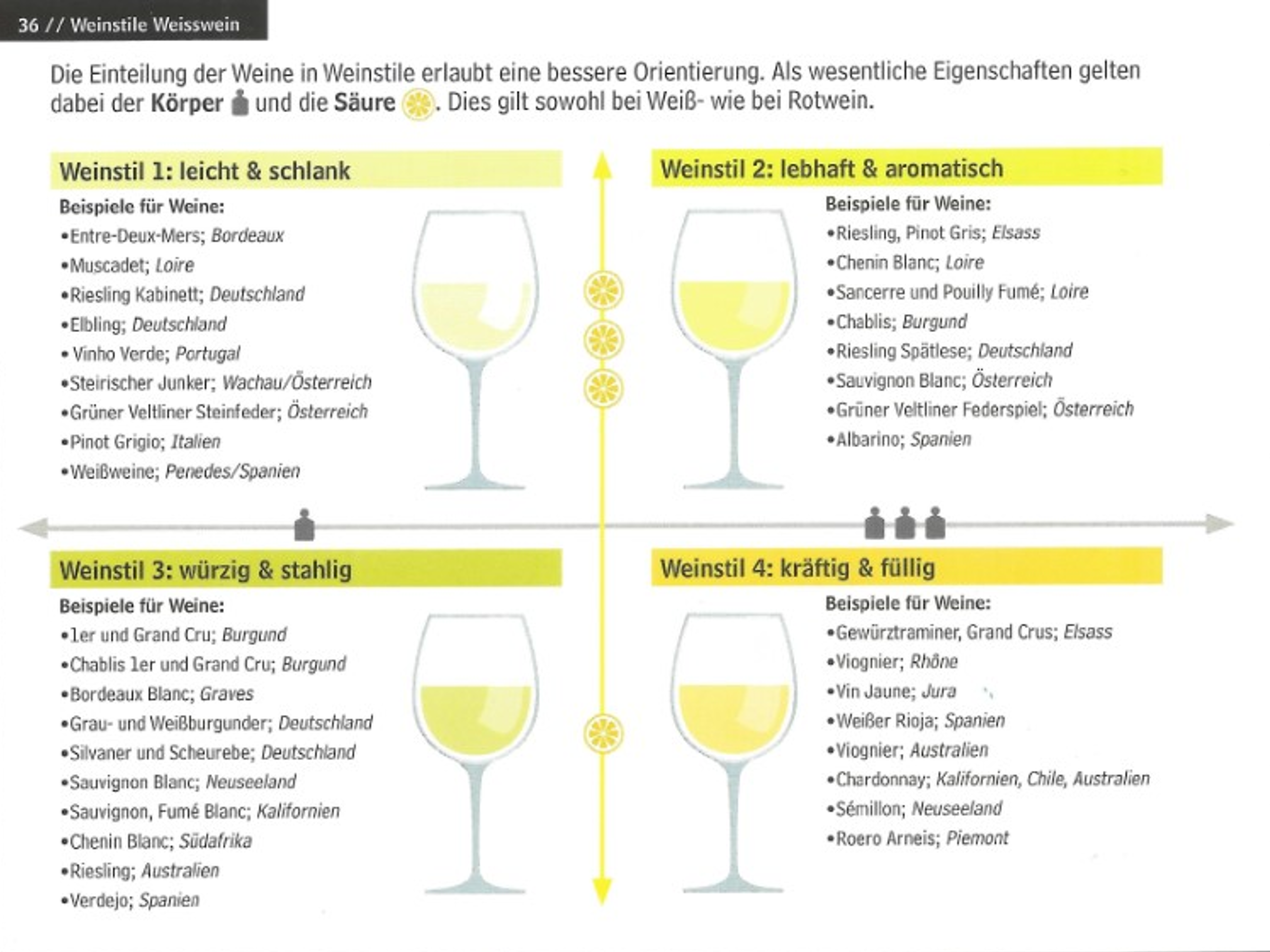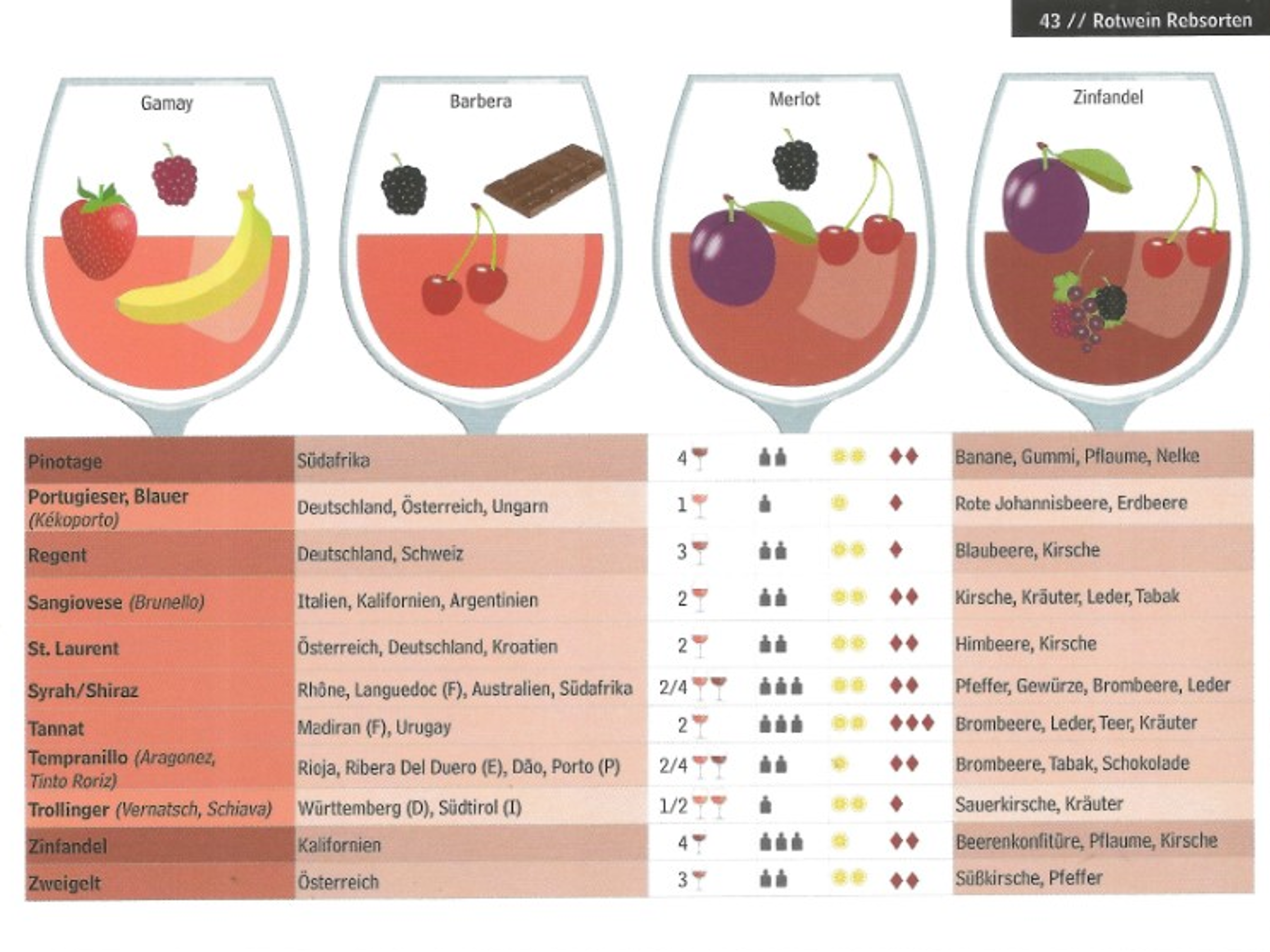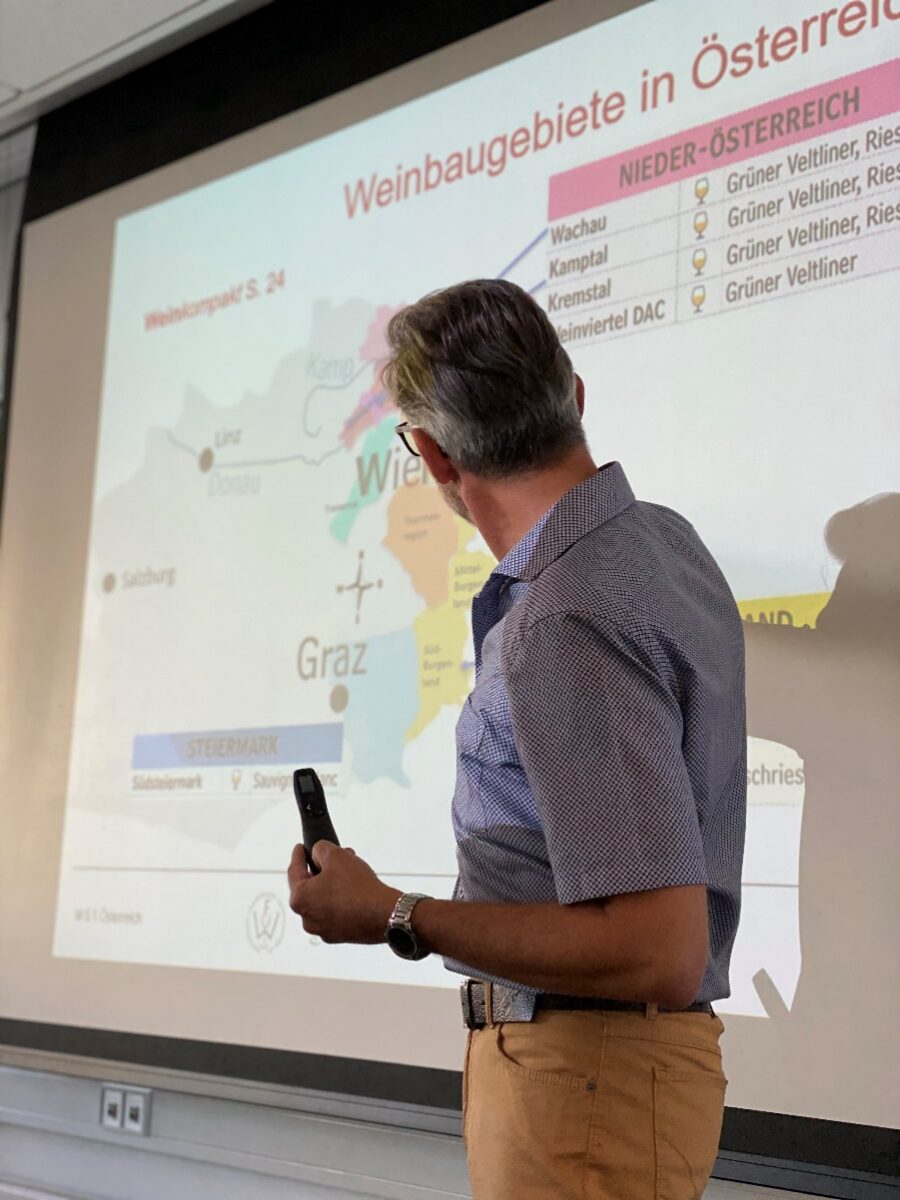
Can wine be understood sustainably? The term sustainability has various meanings. It originated in forestry in the 18th century, based on the demand at the time to only fell as many trees as can grow back. However, the term sustainability also has different meanings in pedagogy. On the one hand, it describes the sustainable use of natural resources, and on the other, a circumstance that has a long-lasting or permanent effect. The latter is also referred to as “sustainable learning.”
In this context, learning through repeated experiences leads to a change in an individual’s experience and behavior. Part of the learning process involves practice, in which learning processes are systematically repeated. Through many repetitions, information is transferred from short-term memory to long-term memory. The learning material to be stored is divided into thematic categories and groups and thus “filed” in long-term storage.
An important aid in this regard is the creation of models, in which the topics are linked, understood, and thus better memorized.
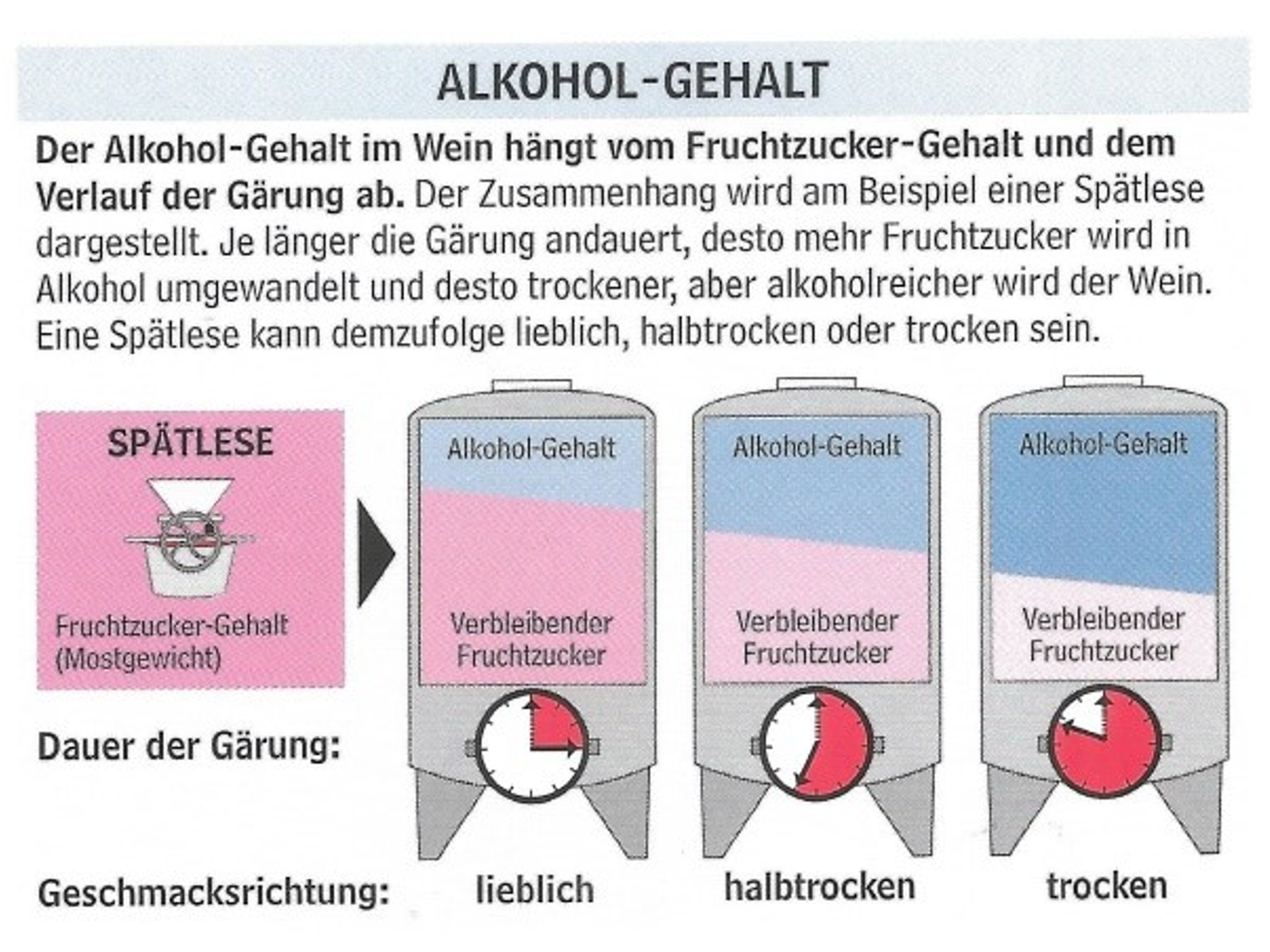
In relation to wine, this means bringing subject areas such as winemaking, requirements for wine production, grape varieties and their characteristics, as well as wine-growing countries and regions into a model-like context. This approach makes the complex subject of wine understandable and accessible.
Furthermore, schematic representations and portfolios at the interfaces and transitions between topics facilitate understanding.
Experience shows that this approach allows the subject of wine to be processed in such a way that the learning material remains available to students in the long term and thus sustainably.